
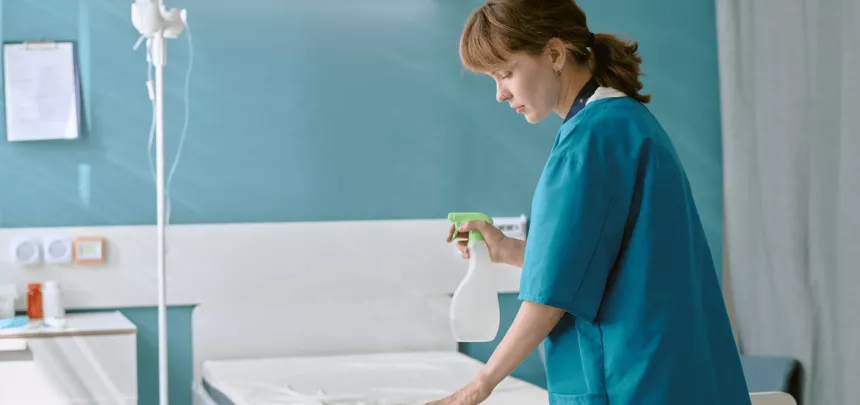
Working in a Hospital Without Formal Education: Opportunities and Conditions
Working in a hospital without formal education: what are the real possibilities? Many people looking for opportunities in healthcare search for terms like working in a hospital without formal education. The healthcare environment appears stable, offers regular income, and often provides long-term job security. But what is the reality? Is it possible to get a job in a hospital without medical school?
The good news is yes. Hospitals do not employ only doctors and nurses. The operation of healthcare facilities also requires a wide range of support roles. This is where opportunities open up for working in a hospital without formal education.
What positions are available without medical education
A hospital is a large organization that needs staff in many areas. Typical positions that do not require professional medical education include:
- hospital orderly (often a short course is enough)
- cleaning staff
- support staff in hospital wards
- laundry worker
- food service worker
- receptionist or information desk staff
- administrative support
These roles are essential for the daily operation of a hospital. Without support staff, medical professionals would not be able to perform their work effectively.
Hospital orderly as a common entry position
One of the most common ways to start working in a hospital without formal education is the position of a hospital orderly. A medical degree is usually not required, but employers may ask for completion of an orderly course. This course provides basic knowledge of hygiene, patient handling, and ward operations.
For many people, this is the first step into the healthcare environment and an opportunity to gain practical experience.
What employers expect
Even though working in a hospital without formal education does not require a diploma, hospitals emphasize personal qualities:
- reliability and punctuality
- a responsible attitude
- empathy toward patients
- mental resilience
- willingness to work shifts
- compliance with hygiene standards
Working in a hospital involves contact with sick patients and challenging situations. It is important to understand that this is not a typical work environment.
Salary conditions and work schedule
Wages vary depending on the position, region, and type of shifts. Support roles usually include extra pay for night shifts, weekends, and public holidays. Shift work is standard in hospitals because healthcare operates around the clock.
Some hospitals also offer employee benefits such as subsidized meals, transport contributions, or extended vacation time.
What to watch out for when job hunting
When looking for a hospital job without formal education, it is important to verify job offers. A reliable employer clearly states working conditions, contract type, and responsibilities. It is recommended to ask about the probation period, shift patterns, and additional pay.
It is also useful to find out whether the employer provides training or opportunities for further development.
It can be the start of a new career
For many people, working in a hospital without formal education becomes an entry point into a stable sector. Some employees later gain additional qualifications and move into more specialized positions.
Healthcare is teamwork. Alongside doctors and nurses, many other professionals ensure daily operations. Support staff are therefore an important part of the entire system.